
United States/Tennessee
BlogDecember 26, 2025

Diving Deeper into Next.js, Tailwind CSS, and PostgreSQL: MyFinance Frontend Milestone

How a fullstack learning journey is accelerating my app's first interactive screens
Doruk Kocausta
Diving Deeper into Next.js, Tailwind CSS, and PostgreSQL: MyFinance Frontend Milestone
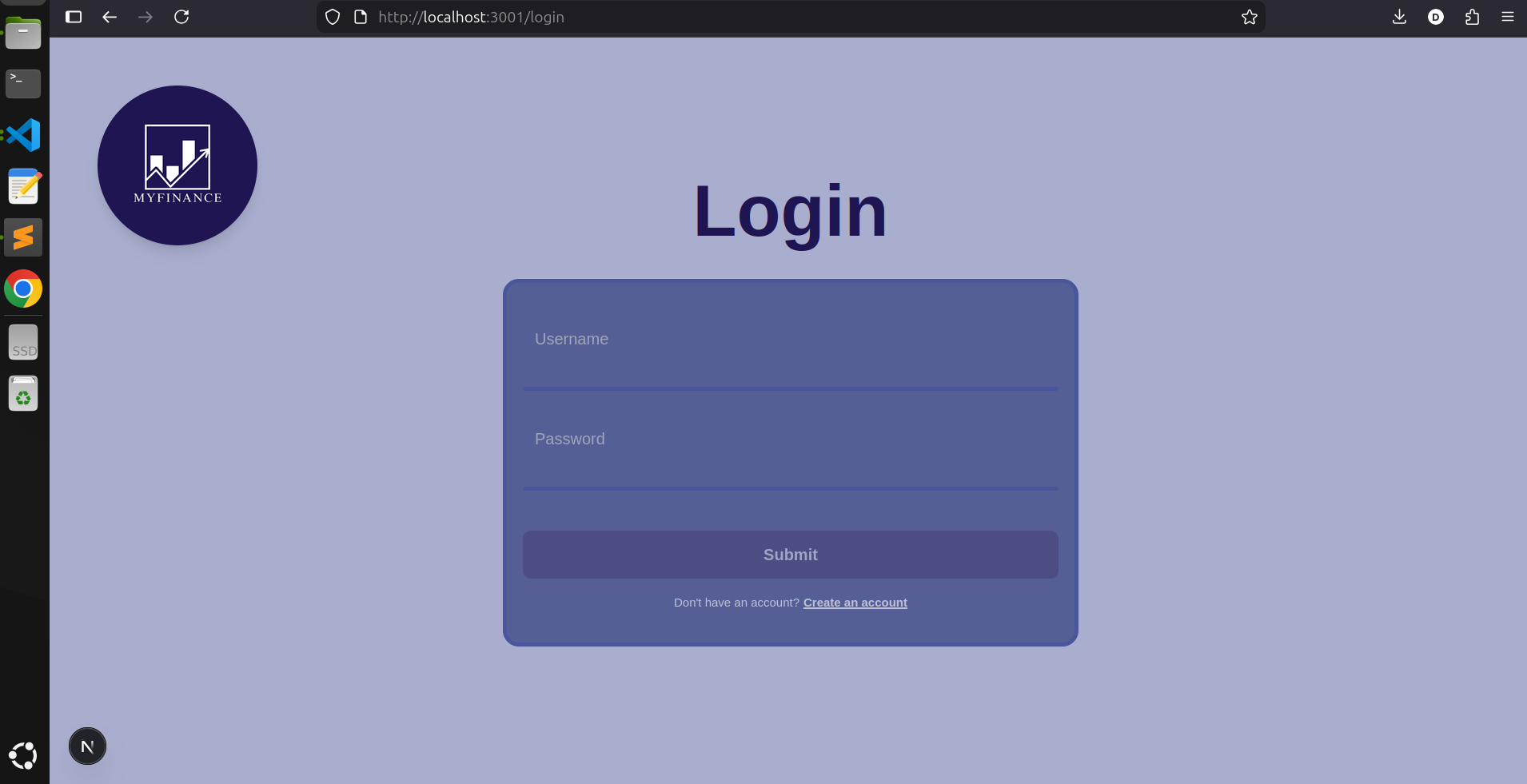
Just wrapped up building the first interactive pages for my web app, MyFinance, and I have to say—I'm blown away by the development speed Next.js offers. Coming from zero experience with Next.js, Tailwind CSS, and PostgreSQL, I expected the learning curve would slow me down. It turns out, the process is much smoother than I imagined. Within days, I went from blank screens to a snappy login and register system, all responsive and matching my design vision.
MyFinance Logo
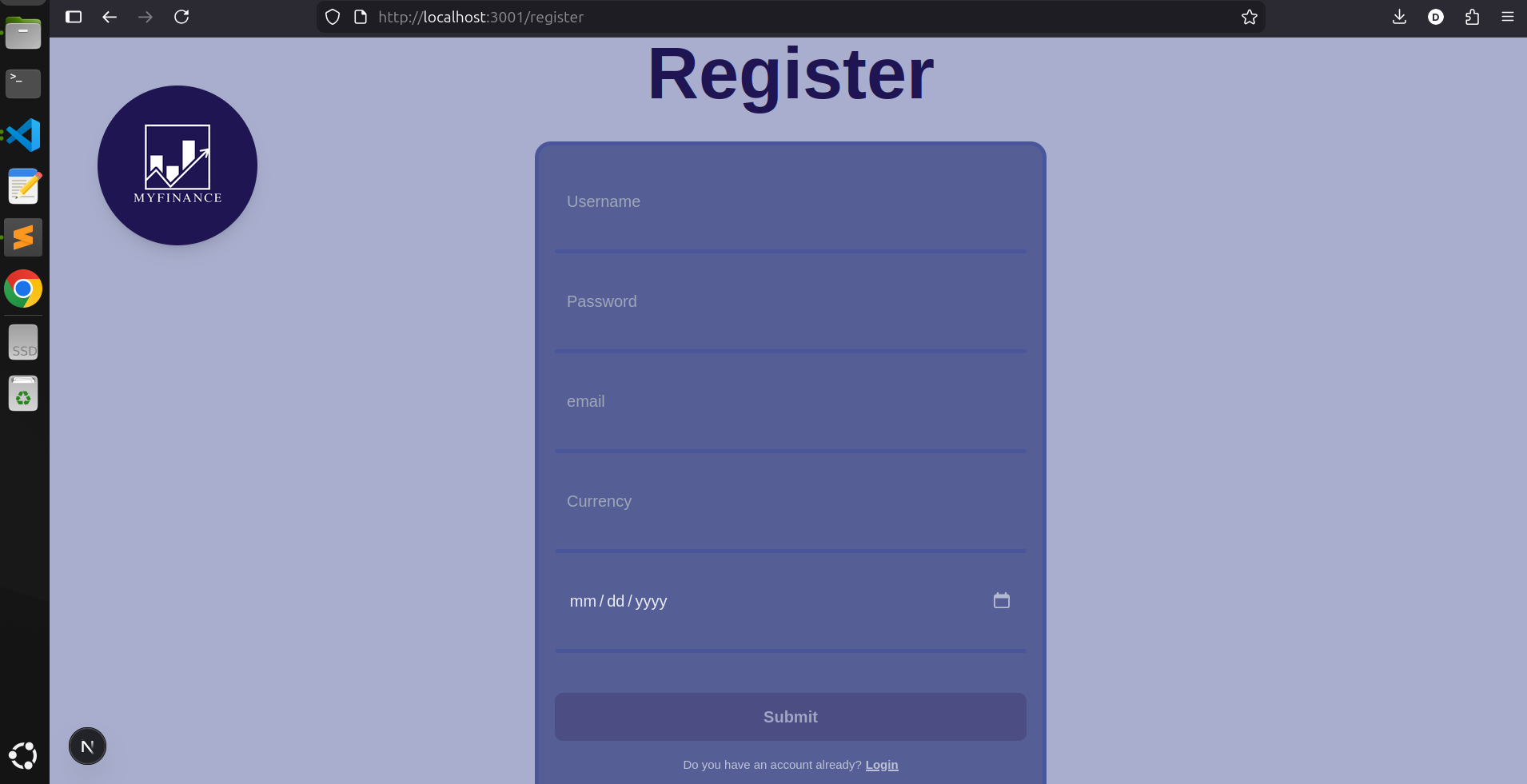
Designing clean, responsive UIs with Tailwind CSS felt intimidating at first (not a design fan here 😅), but seeing everything come together on both desktop and mobile made it worth the effort. What surprised me most was how easy it was to maintain consistency across the project once I set up my first truly responsive page and a few reusable components. After that, adapting the look and structure for other pages became almost effortless—no more rewriting the same CSS or re tweaking layouts! Every element—buttons, inputs, containers—was built once and used everywhere, letting me focus on the bigger picture: how users will flow through the app and how data will move under the hood. Setting up the /app directory in Next.js made routing a breeze—no manual setup required! As someone who’s used to wiring up traditional routers and view logic by hand, it felt almost unreal to just drop a new file or folder into /app and have a working new route. Now, with the frontend for login and registration pages in place and polished, I’m really looking forward to diving deeper into server side coding. I can't wait to explore things like authentication flows, data fetching with React Server Components, API routes, and real database connections. Honestly, the pace of development is way beyond what I expected going in. No wonder Next.js has become the go to for so many modern web apps!
  • Tailwind CSS isn’t just “another CSS framework”: It made responsive design feel natural, not like an afterthought. I used to dread making layouts mobile friendly—now, I build with breakpoints from the start.
  • Component driven design really pays off: Once you have a toolbox of fields, forms, and containers, everything new is just composition.
  • VSCode is my friend again: I spend less time fighting with boilerplate and more time thinking about real features.
  • Frontend Backend are more connected than I thought: Choices in form design and page structure are already shaping what data I’ll need and how I’ll store it.
MyFinance Logo
With the core structure and authentication pages (login, register) done, my next step is to round out the rest of MyFinance’s main interface. I’ll be focusing on finishing up the frontends for the other essential pages: dashboard, incomes, outcomes, investment, and profile. I'm confident that building out these screens—from data tables to interactive components—will challenge me and deepen my skills in Tailwind CSS and the frontend capabilities of Next.js. Each new page is an opportunity to refine my design system, improve maintainability, and ensure consistency across the application. Once the UI is complete, I get to dive into my favorite part: the backend! I can't wait to architect relational flows, design efficient schemas, and bring MyFinance’s data to life using PostgreSQL and Next.js server-side features. I’ll be posting regular updates and sharing everything I learn—mistakes included—so if you're interested in a transparent build process or want insights on working with these technologies, stay tuned! Stay warm, and let’s keep building awesome things! #Nextjs #TailwindCSS #PostgreSQL #WebDevelopment #MyFinance #LearningJourney #OpenToWork #FullStackWeb #blog
Share this post:
On this page